
India

Meta, Zuckerberg’s Company, Loses $3 Billion in Value After Instagram, Facebook Global Outage; Share Price Declines
Following a widespread global outage that impacted Meta’s social media platforms, including Instagram and Facebook, on March 5th, 2024, the company suffered an estimated loss of $3 billion. According to a report by India Today, the outage affected billions of users worldwide.
On that day, the stocks of Meta experienced a significant decline, closing down 1.6% at $490.22, as reported by NASDAQ.
Despite this setback, Mark Zuckerberg, the founder, chairman, and CEO of Meta, saw his net worth decrease by over USD 2.79 billion in a single day, amounting to USD 176 billion, as per the Bloomberg Billionaires Index. Nevertheless, he retained his position as the fourth-richest person globally.
Reuters reported that Meta’s status dashboard indicated issues with the application programming interface for WhatsApp Business. Additionally, Downdetector recorded approximately 200 outage reports for WhatsApp, suggesting widespread service disruption.
During the outage, Elon Musk took a dig at Meta, humorously remarking, “If you’re reading this post, it’s because our servers are working,” on X, formerly known as Twitter. The outage affected not only Facebook and Instagram but also Threads and Messenger platforms, causing login difficulties for users worldwide.
In February 2024, Zuckerberg’s net worth surged by USD 27.1 billion following Meta’s impressive quarterly results, which surpassed Wall Street’s expectations. This increase elevated his net worth to USD 169.5 billion, surpassing Bill Gates and securing his position as the fourth-richest individual on the Bloomberg Billionaires Index.
Meta also announced a quarterly cash dividend of 50 cents per share for Class A and B common stock, commencing in March. With Zuckerberg holding approximately 350 million shares, he stands to receive about $175 million in each quarterly payment before taxes, according to Bloomberg’s data.
Meta, Zuckerberg’s Company, Loses $3 Billion in Value After Instagram, Facebook Global Outage; Share Price Declines Read More
JM Financial Shares Plummet by 19% After RBI Action, Market Cap Drops by Rs. 1,484 Crore
JM Financial Share Price Today: On the Bombay Stock Exchange (BSE), the company’s share dropped by 19.29% to Rs. 77.10, while on the National Stock Exchange (NSE), it was trading at Rs. 77.55, down by 18.75%.
New Delhi: Following the regulatory actions by the Reserve Bank of India (RBI), JM Financial witnessed a decline of more than 19% in its shares on Wednesday. Consequently, its market capitalization dropped by up to Rs. 1,484 crore. The RBI had imposed several restrictions on the company JM Financial Products Limited on Tuesday, after various irregularities were uncovered.
On the BSE, the company’s share fell by 19.29% to Rs. 77.10, while on the NSE, it was trading at Rs. 77.55, marking a decline of 18.75%. Amidst this downturn, the company’s market capitalization reduced to Rs. 7,643.63 crore from Rs. 8,128.16 crore.
The Reserve Bank initiated actions against the company, repeatedly intervening to assist a group of its customers in bidding for various IPOs using borrowed funds.
The central bank has prohibited the non-banking financial company from providing any financial support in the form of shares and debentures, including approval and distribution of loans, along with the initial public offering (IPO) of shares and the approval and distribution of bonds. These restrictions have come into immediate effect.
JM Financial Shares Plummet by 19% After RBI Action, Market Cap Drops by Rs. 1,484 Crore Read More


“Despite Farmer Protests at Delhi Borders, No Action Expected Today; Situation to Clear Up in 2-3 Days”
Despite ongoing farmer protests, Delhi police have stepped up surveillance and tightened security measures at all borders of Delhi. Section 144 has been imposed in several areas of Delhi, and no permission has been granted for any demonstrations.
New Delhi: Today marks the 23rd day of the farmer agitation. Once again, farmers are gearing up for the Delhi march. However, what’s noteworthy is that farmers from Haryana and Punjab are not participating in today’s protest. Instead, farmers from various parts of the country have begun marching towards Delhi. However, those coming from afar will not reach Delhi today; it will take them 2-3 days to arrive. Farmer leader Sarwan Singh Pandher explained that it was previously announced that farmers from other states would join the protest march on March 6, but those coming from long distances will not reach Delhi today. He stated that farmers coming by road or train from Madhya Pradesh, Bihar, or South India would take about 2-3 days to reach Delhi, hence the situation will clear up by March 10.
Haryana-Punjab Farmers Not Marching to Delhi –
Farmer leader Sarwan Singh Pandher clarified that farmers from neighboring states have already decided not to move forward. It’s clear that the farmers stationed at the Shambhu border in Punjab are not heading towards Delhi. Farmers from various states across the country have already set out for Delhi, and they will also take some time to arrive. Meanwhile, in view of the farmer protests, the police are on high alert. Police have increased surveillance at all Delhi borders and tightened security measures. Section 144 has been imposed in several areas of Delhi. No one has been granted permission to hold demonstrations.
Strict Security at Bus Terminals –
Railway Stations Farmers had announced that they would once again reach Delhi on Wednesday to protest. Farmer organizations – Kisan Mazdoor Morcha and United Farmers Front (non-political) had called on farmers from across the country to reach Delhi on Wednesday. Police and paramilitary forces have been deployed at Singhu and Tikri borders. Additional police and paramilitary forces have already been deployed at railway and metro stations and bus terminals, as stated by a senior police officer. No one will be allowed to violate the law.
‘Rail Roko Andolan’ by Farmers on March 10
It’s worth mentioning that farmers have also called for a nationwide ‘Rail Roko Andolan’ (rail blockade protest) for 4 hours on March 10 in support of their various demands, including legal guarantee for minimum support price (MSP) for crops. It should be noted that farmers began their protest march on February 13, but their attempt to march to Delhi was thwarted by the police. This led to clashes at the Haryana-Punjab border, and tear gas shells were also fired. Farmer leaders Sarwan Singh Pandher and Jagjit Singh Dallewal have stated that the sacrifices of farmers will not go in vain. The struggle will continue until demands are met.

Nothing Phone 2a Unveiled: Boasts 50 MP Camera and Custom Dimensity 7200 Pro Chipset; Price in India Revealed
Nothing has launched its latest smartphone, the Nothing Phone 2a, in India, continuing the brand’s ethos of transparency and innovation. The Phone 2a features a plastic construction, including a transparent outer shell and side-frame recycled from previous Nothing products, available in White and Black variants.
The Nothing Phone 2a, Carl Pei’s brainchild, maintains the signature transparent back, albeit with a plastic covering, and embodies the distinctive design elements of the Nothing Phone series. It offers a familiar feel while introducing advancements over its predecessors, the Nothing Phone 1 and Nothing Phone 2.
Equipped with a 6.7-inch AMOLED display, MediaTek Dimensity 7200 Pro chipset, and a 120Hz refresh rate, the Nothing Phone 2a promises an immersive viewing experience alongside notable camera capabilities, including a 50MP primary sensor.
Pricing and Availability:
The Nothing Phone 2a is priced competitively in India, with the base variant (8GB RAM + 128GB storage) starting at ₹23,999. The 8GB+256GB and 12GB+256GB variants are available at ₹25,999 and ₹27,999, respectively.
Interested buyers can purchase the Nothing Phone 2a exclusively through Flipkart.com starting March 12th. Furthermore, the phone will be offered at a discounted price of ₹19,999 onwards on its debut day, inclusive of all available offers.

Specifications Highlights:
- The Nothing Phone 2a sports a 6.7-inch flexible AMOLED display protected by Corning Gorilla Glass 5, offering a resolution of 1080×2412 (FHD+), a refresh rate ranging from 30Hz to 120Hz, and up to 1300 nits of brightness.
- Featuring a dual stereo speaker setup and dual HD microphones, the Phone 2a ensures an enhanced audio experience.
- The device integrates a unique Glyph Interface, characterized by three LED strips comprising 24 addressable zones at the top.
- Powering the Nothing Phone 2a is the MediaTek Dimensity 7200 Pro chipset, developed exclusively for this collaboration, coupled with up to 12GB RAM and up to 256GB internal storage. It runs on Android 14-based NothingOS 2.5 out-of-the-box.
- Connectivity options include dual-SIM 5G support, Wi-Fi 6, Bluetooth 5.3, NFC, and multiple satellite navigation systems.
With its innovative features and competitive pricing, the Nothing Phone 2a aims to carve a niche in the smartphone market, offering consumers a compelling blend of performance and style.
Here, is the comparison of recent nothing phone 1 .


“PM Modi Takes a Journey in India’s First Underwater Metro, Engages with Students”
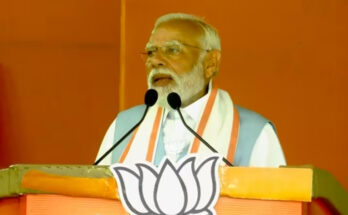
Prime Minister Narendra Modi today inaugurated India’s first “underwater metro” in Kolkata, West Bengal, and took a journey in it. During this event, he also interacted with school students.
Prime Minister Narendra Modi inaugurated India’s first “underwater metro” in Kolkata, West Bengal, today. PM Modi also took a ride in India’s first “underwater metro.” During this journey, he also engaged in conversation with school students. In a video, PM Modi can be seen conversing with students. In the video, it is clear that PM initially called the students near him, arranged for them to sit together, and then continued the conversation.
#WATCH | West Bengal: Prime Minister Narendra Modi travels with school students in India’s first underwater metro train in Kolkata. pic.twitter.com/95s42MNWUS
— ANI (@ANI) March 6, 2024
Before starting the journey in the underwater metro with the Prime Minister, school student Prajna said, “I am very excited to meet PM Modi and travel with him in the underwater metro.” Meanwhile, another school student, Ishika Mahato, said she is very happy to have the opportunity to meet PM Modi.
The tunnel is built under the Hooghly River
This water tunnel is built under the Hooghly River. Two tracks are laid in this 520-meter-long tunnel, which is 33 meters below the ground and 13 meters below the surface of the Hooghly River. This tunnel will not only save time for the residents of Kolkata but also provide them with a comfortable journey. This gift of the metro to Kolkata will directly benefit millions of people.
What’s special about the underwater metro
The special thing is that this metro will cover the entire 520 meters under the Hooghly River. It should be noted that 10.8 kilometers out of the total 16.6 kilometers of the East-West Metro is underground. The work of this metro has been going on for 13 years, but after 2015, it gained momentum, and it took only 66 days to build this tunnel.
“Delhi High Court Raises Income Limit for EWS Admissions in Schools to Rs 2.5 Lakh”
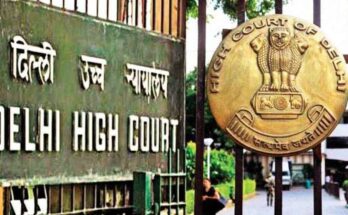
The Delhi High Court has revised the annual income limit for school admissions in Delhi under the Economically Weaker Section (EWS) category to Rs 2.5 lakh. This decision follows a petition filed by the Directorate of Education (DOE) challenging a previous ruling by Justice Kaurav. The court emphasized the need for the government to consider the beneficiaries’ living standards, highlighting Delhi’s comparatively lower threshold compared to other states.
NEW DELHI: On Tuesday, the Delhi High Court revised its previous order regarding the annual income limit for admissions to Delhi schools under the Economically Weaker Section (EWS) category.
During the hearing, a division bench led by acting Chief Justice Manmohan increased the existing threshold from Rs 1 lakh to Rs 2.5 lakh. The court considered a petition filed by the Delhi government’s Directorate of Education (DOE), contesting a December 14 ruling issued by a bench headed by Justice Purushaindra Kumar Kaurav.
Justice Kaurav’s ruling suggested raising the current income threshold for EWS reservation in the city to Rs 5 lakh until the Delhi government revises the threshold. The court urged the government to set the threshold at a level commensurate with the living standards of the intended beneficiaries.
The judge argued that the current threshold fails to accurately reflect the economic challenges faced by families today. Delhi’s requirement was notably lower compared to the Rs 8 lakh annual threshold adopted by most states.
According to the Delhi School Education (Free Seats for Students Belonging to Economically Weaker Sections and Disadvantaged Group) Order, 2011, children whose parents earn less than Rs 1 lakh per year and have resided in the Capital for the past three years are eligible for admission under the EWS quota. During Tuesday’s proceedings, the DOE, represented by standing counsel Santosh Kumar Tripathi, expressed concerns that the sudden increase in the threshold could negatively impact labor candidates earning Rs 1 lakh. Additionally, it could undermine the fundamental right to free and compulsory education guaranteed by Article 21A of the Constitution.
Media reports indicate that Tripathi further argued that the current admission system in the EWS category, based on parents’ self-declaration of income, was sufficient and did not require any alterations. He also contended that the government was unable to comply with the single judge’s directives as the admission process had already begun in November.
Moreover, the court stated that the ruling would remain in effect until changes were made to the 2011 reservation scheme. The Delhi School Education (Free Seats for Students Belonging to Economically Weaker Sections and Disadvantaged Group) Order, 2011, mandates schools in Delhi to reserve at least 25% of Class 1 seats for students from the EWS category. This order also ensures that these students receive free and compulsory elementary education in accordance with the Right to Education Act.
“Delhi High Court Raises Income Limit for EWS Admissions in Schools to Rs 2.5 Lakh” Read More
Passenger Arrested for Smoking Beedi on Indigo Flight
MUMBAI: A passenger bound for Saudi Arabia was apprehended by Indigo Airlines security staff at Mumbai airport. The individual, identified as Mohammed Ammruddin (42) from Delhi, was arrested for smoking a beedi (cigarette) in the lavatory of an Indigo flight.
The incident occurred during a Delhi-Mumbai flight while the aircraft was enroute from Delhi to Mumbai.
“The suspect, who was scheduled to fly from Mumbai to Dubai for a job, was apprehended by vigilant security personnel during an onboard check after the flight landed at Mumbai’s international airport at around 4.30 pm,” stated a police officer from the Sahar police station.
The alert security officer detected smoke in the lavatory after the suspect had left the area. Upon arrival in Mumbai, the suspect was detained by the cabin crew. The individual claimed to have successfully passed through security checks at Delhi airport by concealing the beedi and lighter in his pants pocket.
The Sahar police have charged him under the Indian Penal Code section for endangering lives and the Aircraft Act. The suspect, who was scheduled to fly from Mumbai to Saudi Arabia for a job, was barred from boarding the flight.
Passenger Arrested for Smoking Beedi on Indigo Flight Read More
“Gold Smugglers Employ Ingenious Method, Tamper with Aircraft Wiring to Conceal 4.5kg Gold Bars”
In a daring and inventive move, gold smugglers manipulated the wiring of an Indigo aircraft, using the lavatory roof to conceal 4.5kg of gold secured with a padlock and a code lock. The authorities discovered rectangular gold bars, wrapped in black adhesive tape, hidden inside the lavatory’s electrical box. There are suspicions that the smugglers had insider knowledge, and the gold may have been intended for transport to Hyderabad.
CHENNAI: Gold smuggling reached unprecedented levels of sophistication as adept individuals interfered with the wiring of an Indigo aircraft, gaining access through the toilet roof and concealing 4.5kg of gold by attaching it to wires, then securing it with a three-digit code lock. The rectangular gold bars, each featuring a central hole, were fastened to a padlock, with a wire threaded through them.
The loose end of the wire was affixed with a number-coded lock, indicating that only someone with insider access to the code could retrieve the contraband upon arrival at Chennai airport.
“The ease with which the smuggler(s) accessed the aircraft component suggests a deep understanding of aircraft mechanics and the ability to conceal items using specialized tools,” remarked a seasoned pilot, speaking anonymously. When queried about potential threats to passenger safety, the pilot emphasized that lavatories are designed to prevent access to critical elements, minimizing the risk of sabotage. “The lavatory typically contains basic electrical wiring for lighting, ventilation, and smoke detection,” explained the pilot, noting that accessing such components would require specialized equipment.
The smuggling attempt came to light when maintenance workers discovered tampering in the aircraft’s electrical box during routine sanitization. The Indigo flight, arriving from Abu Dhabi on Thursday night, was moments away from departing to Hyderabad on a domestic route. Upon alerting safety officers, the electrical box was inspected, revealing a cable connected to other wires and securing a heavy package with a padlock at one end. Authorities were forced to sever the cable and break open the padlock to access three rectangular gold bars, meticulously wrapped in black adhesive tape.
Authorities have acknowledged the gravity of the situation, launching an investigation into this novel smuggling method. “Smugglers employ extreme tactics to evade detection by law enforcement, and the individual responsible for transporting the gold likely underwent thorough training to conceal the contraband mid-flight,” stated a customs official. Suspicions have arisen that ground staff at Chennai airport may have been complicit in facilitating the extraction and delivery of the gold, or that the consignment was intended for transport to Hyderabad.
“Gold Smugglers Employ Ingenious Method, Tamper with Aircraft Wiring to Conceal 4.5kg Gold Bars” Read More